If you are thinking about a move to Newark, you probably want to know what daily life actually feels like, not just what shows up on a map. That matters whether you are buying your first home, relocating within Licking County, or comparing Newark to nearby communities. The good news is that Newark offers a practical mix of historic character, local convenience, and outdoor access that can make everyday routines feel simple and grounded. Let’s take a closer look.
Newark at a glance
Newark is the county seat of Licking County and has a population of about 51,257 residents. The city describes itself as being about 30 minutes from Columbus, which helps explain why many people see it as a place with its own identity and amenities while still offering access to a larger metro area.
You can also see that identity in the city itself. Newark highlights its long history, downtown square, 1876 courthouse, and a mix of older and newer development. In everyday life, that often translates to a city that feels established rather than newly built.
Getting around Newark day to day
For most residents, driving is still an important part of daily life in Newark. The city points to regional access from SR 161 and US 16 from the west, I-70 to SR 13 from the south, SR 13 from the north, and US 16 from the east. That road network helps with commuting, errands, and getting around the wider Licking County area.
At the same time, downtown Newark supports a more flexible routine. The city describes downtown as pedestrian-friendly and walkable for restaurants, landmarks, and shops, and it also notes that there is plenty of parking, including on-street parking and a garage near The Works.
If you use public transit, Licking County Transit adds another option. The county says it offers demand-response and deviated fixed-route service Monday through Friday from 5 a.m. to 7 p.m., with most routes connecting at the West Main Street transfer point. Riders currently pay no fare because of community funding.
In practical terms, Newark tends to work well for people who want the convenience of a car-based lifestyle with some walkable and weekday transit support mixed in.
Downtown routines feel local
One of Newark’s biggest lifestyle strengths is that downtown is not just a place you visit once in a while. It can be part of your regular week. Between restaurants, shops, museums, and performance venues, the downtown district gives you places to grab coffee, meet a friend, or spend an evening without heading out of town.
The city highlights downtown as an active district, and that matters for day-to-day living. A downtown that stays useful beyond business hours often helps a city feel more connected and easier to enjoy.
For buyers, that can be especially appealing if you want access to local businesses and familiar gathering spots. For sellers, it is part of what gives Newark a distinct lifestyle story compared with places that feel more spread out or less centered.
Parks and trails are part of local life
If outdoor access matters to you, Newark has a lot to offer in a normal week. The City of Newark Parks & Recreation Department says it maintains more than 20 parks and facilities along with 11 miles of bike trails. Common activities include fishing, mountain biking, disc golf, skateboarding, hiking, walking, jogging, swimming, biking, and picnicking.
That variety helps make outdoor time feel easy to fit into your routine. You do not need to plan a full-day trip to enjoy green space, trails, or recreation close to home.
Several city parks stand out for regular use. Everett Park includes a skatepark, playground, dog park, community garden, picnic space, practice baseball fields, and disc golf. Horns Hill Park is described by the city as its premier mountain bike trail system, and T.J. Evans Family Park supports fishing access and youth fishing programs.
The parks department also coordinates recurring events such as the T.J. Evans Youth Fishing Derby, the Dale Miller Trout Derby, and the Mayor’s Concert Series. Those events add another layer to daily living because they create familiar seasonal rhythms and simple ways to spend time in the community.
Big outdoor destinations nearby
Newark also benefits from having a couple of destination-style outdoor spaces that go beyond a typical city park system. Dawes Arboretum offers nearly 2,000 acres, 12 miles of walking trails, gardens, natural areas, and accessible features such as paved access and a driving tour.
That gives you options depending on the day. You might go for a longer walk, enjoy a quieter outdoor setting, or bring visiting family somewhere scenic without needing a long drive.
The Newark Earthworks are another standout feature. This UNESCO World Heritage Site includes the Great Circle, Octagon, and Wright Square, with free admission to the grounds during daylight hours and recurring guided tours.
For everyday living, places like these can make Newark feel richer and more interesting. They add variety to weekends and help the area stand out in ways that go beyond housing alone.
Food and coffee lean local
Newark’s dining scene appears to be shaped more by local favorites than by a heavy chain-focused pattern. The city’s downtown page highlights independent restaurants and entertainment, while Explore Licking County profiles spots such as Chickie’s General Store, River Road Coffeehouse on the Square, Christy’s Pizza, Moe’s Original BBQ, Elements Local Bistro, and Buckeye Winery.
Taken together, that suggests a food scene built around everyday places you can return to often. Think coffee on the square, a casual lunch, pizza night, or an easy dinner downtown.
That kind of dining mix can have a real impact on how a place feels to live in. Familiar local spots often help routines feel more personal and less generic.
Markets and community events add rhythm
The Canal Market District adds another practical and social layer to life in Newark. It hosts farmers markets on Tuesdays from June through September and Fridays from May through October. It also accepts SNAP, WIC, and Senior Farmers Market Nutrition coupons.
For some households, that means a convenient place to shop for produce and seasonal goods. For others, it becomes part of a weekly routine and a simple way to stay connected to what is happening locally.
Entertainment also helps round out the city’s lifestyle. The Midland Theatre anchors historic downtown entertainment, the Weathervane Playhouse offers live theater, and West Church Social adds live music and event programming.
That mix helps explain why Newark can feel active without feeling overwhelming. You have options for a night out, but the pace still leans approachable.
Housing has age, variety, and character
Housing style plays a big role in what everyday living feels like, and Newark’s housing stock has a clearly established character. According to a city neighborhood vision study, 28.0% of homes were built from 1960 to 1979, 26.1% were built in 1939 or earlier, 18.3% from 1940 to 1959, 19.2% from 1980 to 1999, 7.4% from 2000 to 2019, and 0.8% in 2020 or later.
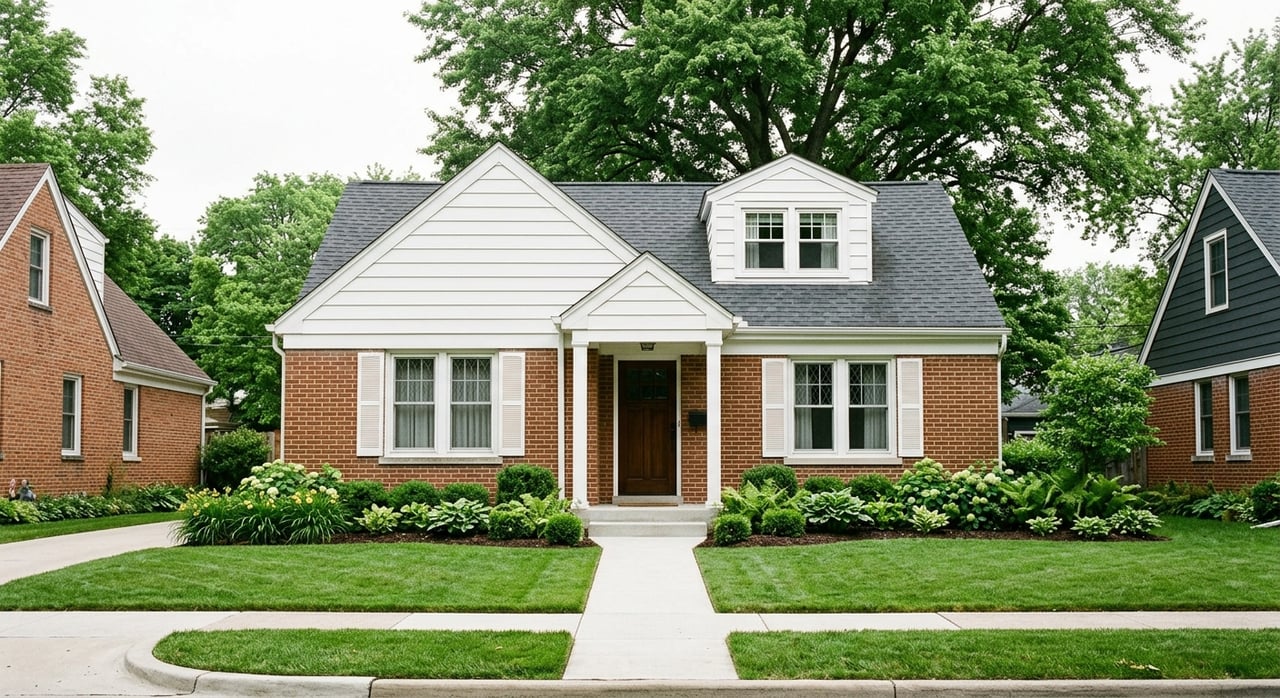
That tells you Newark is not mainly a new-construction market. Instead, it offers a mix of historic in-town homes, mid-century neighborhoods, and a smaller share of more recent housing.
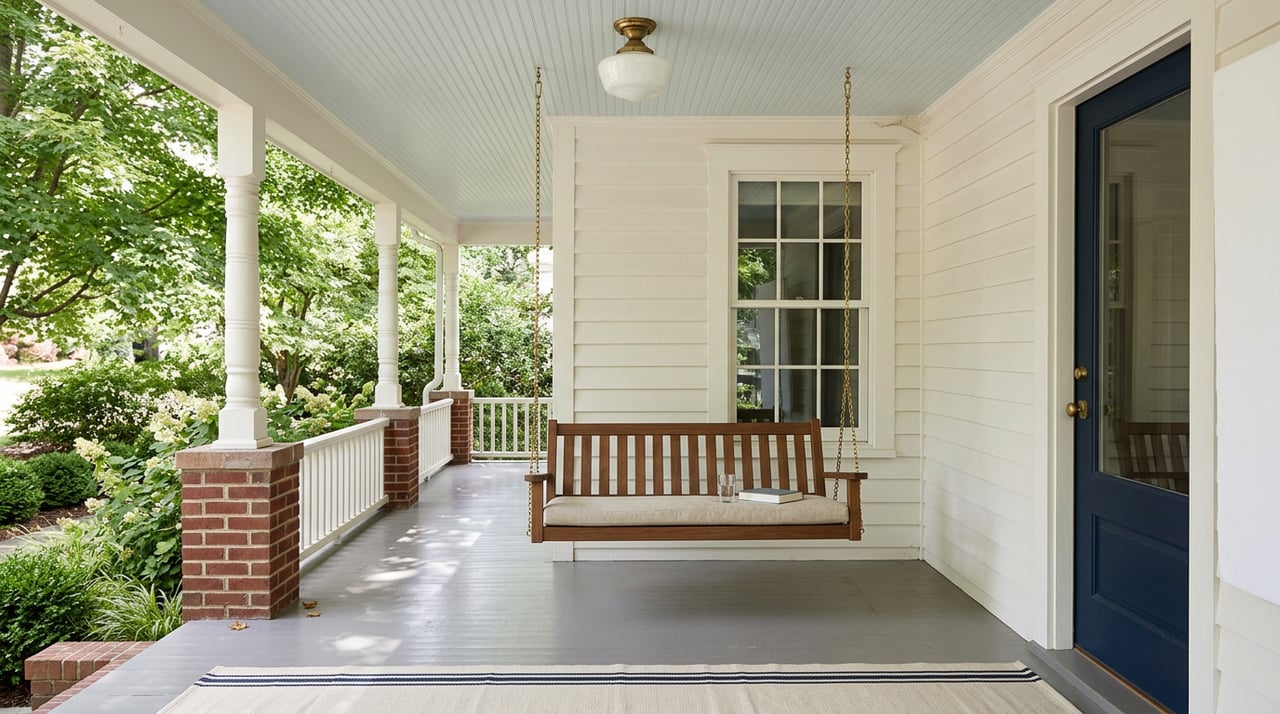
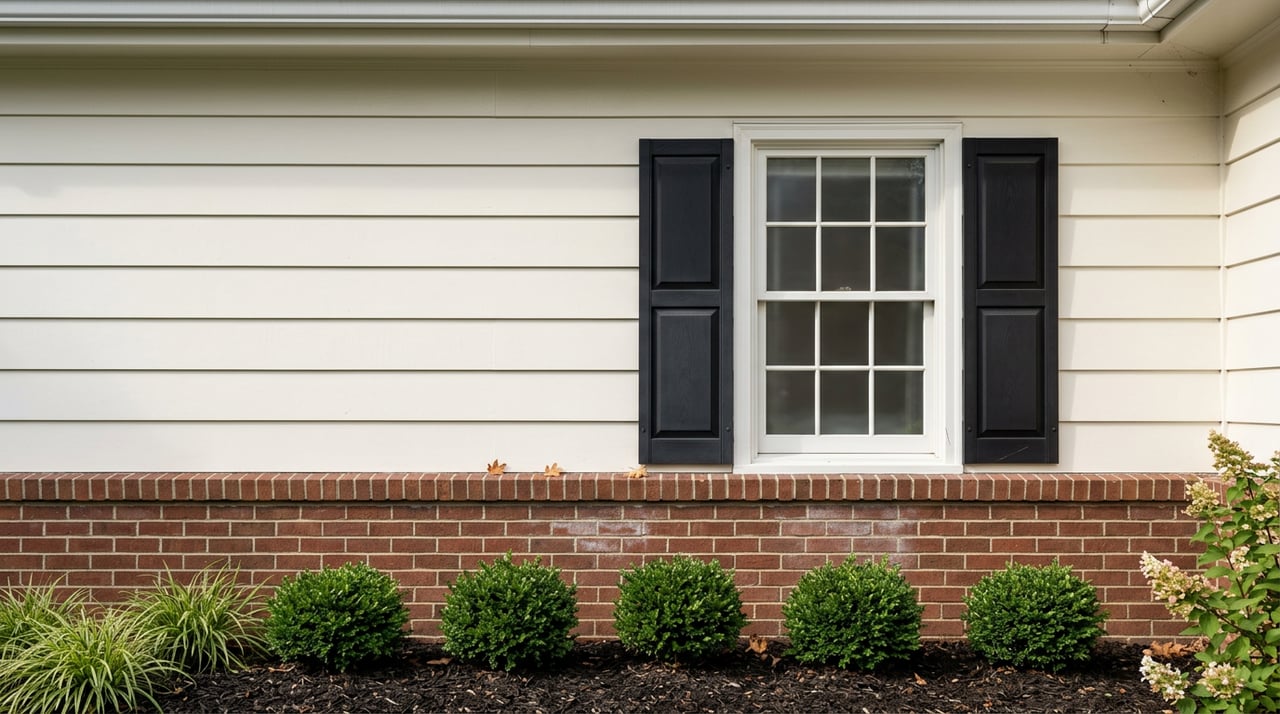
For buyers, that can mean more architectural variety and more established neighborhood patterns. It can also mean you may want to pay attention to condition, maintenance needs, and updates, especially in older homes.
For sellers, this older housing mix means presentation and pricing matter. When homes vary in age, style, and updates, buyers often look closely at how well a property has been maintained and how it compares to similar homes nearby.
Established neighborhoods shape the feel
Newark’s history supports that established feel. The city says it was founded in 1802 and continues to highlight the downtown square, the 1876 courthouse, and a preservation-minded identity.
The city’s Community Development Department also supports programs related to emergency and minor home repair, down payment assistance, fair housing, sidewalk replacement, and lead-hazard control. In a community with a substantial older housing base, those kinds of programs reflect the practical realities of maintaining and improving established homes and neighborhoods.
If you are trying to picture daily life, the bigger takeaway is this: Newark feels like a city of established neighborhoods rather than a place defined by brand-new subdivisions. That can appeal to people who want more character, more history, and a stronger sense of place in their day-to-day surroundings.
What everyday living in Newark feels like
When you put it all together, Newark offers a lifestyle that is practical, local, and rooted in familiar places. You can run errands by car, spend time in a walkable downtown, use weekday transit options, and enjoy meaningful park access without needing to leave the city.
You also get a housing landscape with plenty of history and variety, plus community spaces that support routines beyond work and home. From the downtown square to bike trails, local coffee shops, markets, and cultural venues, Newark gives you multiple ways to build a life that feels connected.
If you are considering buying or selling in Newark, understanding that everyday rhythm is important. It helps you choose not just a house, but a setting that fits how you actually want to live.
If you want help navigating Newark and the surrounding market with clear, local guidance, Jessy Moore is here to help.
FAQs
What is Newark, Ohio like for everyday living?
- Newark offers a mix of historic character, practical driving access, walkable downtown blocks, local dining, parks, trails, and established neighborhoods.
Is downtown Newark, Ohio walkable?
- The city describes Downtown Newark as pedestrian-friendly and walkable for restaurants, landmarks, and shops, with on-street parking and a nearby parking garage also available.
Does Newark, Ohio have public transit?
- Yes. Licking County Transit provides demand-response and deviated fixed-route service Monday through Friday from 5 a.m. to 7 p.m., and riders currently pay no fare because of community funding.
What outdoor activities are available in Newark, Ohio?
- Newark offers more than 20 parks and facilities, 11 miles of bike trails, and activities such as walking, jogging, fishing, hiking, mountain biking, disc golf, skateboarding, swimming, and picnicking.
What kind of homes are common in Newark, Ohio?
- Newark has an older and varied housing stock, including many homes built before 1980, with a mix of historic in-town properties, mid-century homes, and a smaller amount of newer construction.
Is Newark, Ohio a good fit if you want local shops and restaurants?
- Newark’s downtown and surrounding area include independent coffee shops, restaurants, entertainment venues, and seasonal market activity that support a local, community-oriented routine.