Looking at investment property in Zanesville can feel exciting and a little overwhelming at the same time. You want a deal that makes sense, not just a property that looks affordable at first glance. The good news is that Zanesville gives you a very specific kind of opportunity if you know what to watch for. In this guide, you’ll learn how the local market works, what property types are most realistic, and which numbers matter most before you buy. Let’s dive in.
Why Zanesville Gets Investor Attention
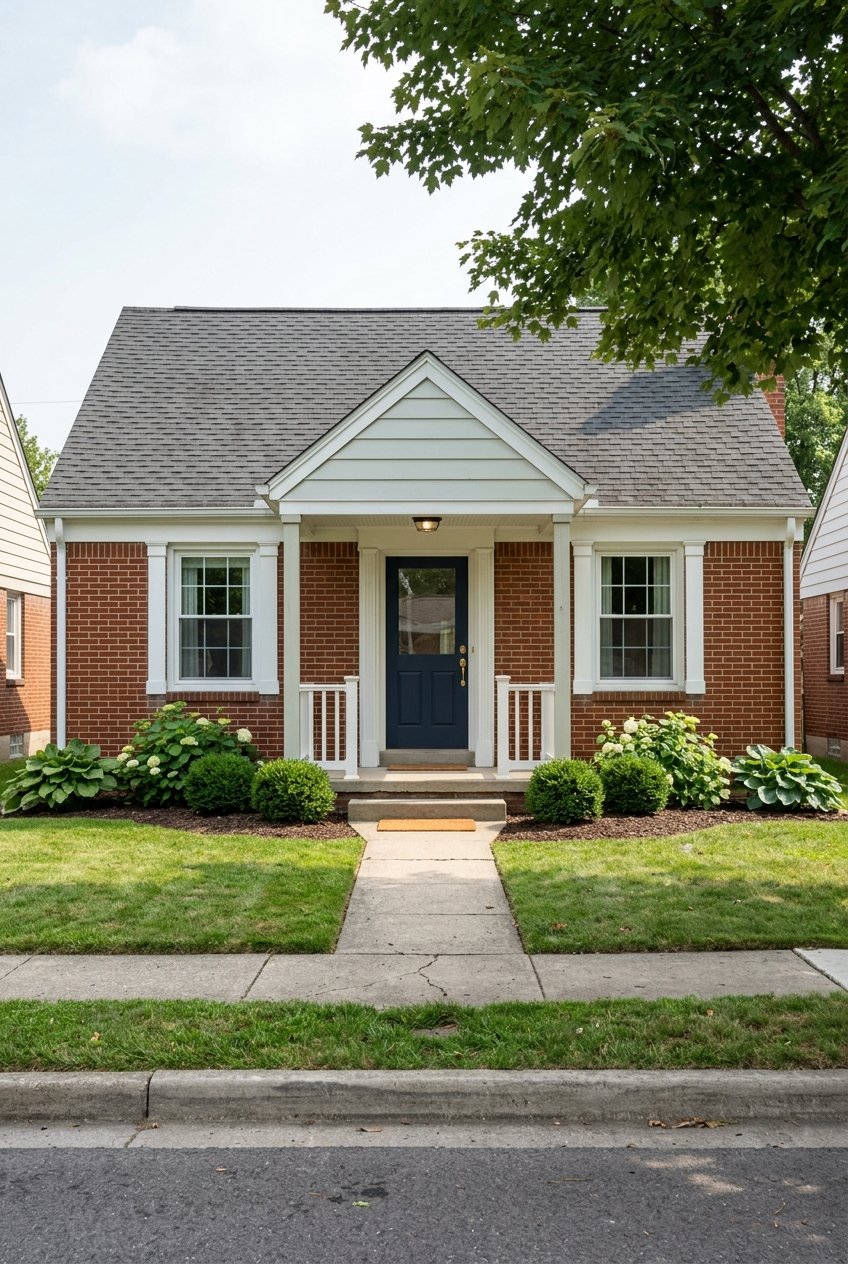
Zanesville is a house-heavy rental market, and that shapes how investment opportunities look here. The city has 24,740 residents, 10,601 households, and 12,236 housing units, with 56% renter occupancy and 64% single-unit structures. That means many rentals are single-family homes or older in-town houses, not large apartment communities.
The local housing stock also creates a different rhythm than fast-growth markets. A Muskingum County Port Authority housing study found limited multifamily development and very low housing starts. It also noted that existing homes are increasingly being made available as rentals, which helps explain why many investor listings in Zanesville are older residential properties.
If you are just getting started, that matters. In Zanesville, your best first investment may be a practical house or an already-approved small multifamily property, not a flashy redevelopment project.
Start With the Right Market Expectations
One of the biggest mistakes new investors make is using broad national advice instead of local numbers. In Zanesville, the numbers point to a market with modest rents, older inventory, and meaningful vacancy risk. That calls for careful underwriting from the beginning.
Home values and sale prices also need context. Zillow reports a typical home value of $204,186 and a median sale price of $176,983 as of April and May 2026. Zillow also shows 199 homes for sale, 62 new listings, and 21 days to pending, which suggests active movement but not a market where every property should be treated as a sure win.
On the rent side, it helps to think in ranges instead of one perfect number. Census QuickFacts lists median gross rent at $821, Apartments.com also reports an average of $821 for June 2026, and Zillow Rental Manager reports an average rent of $925. Those numbers are close enough to show the same basic story, but they still remind you to verify rents by property type, size, and location before you commit.
Property Types That Make the Most Sense
Existing rentals and approved multifamily
For many first-time investors in Zanesville, the most realistic entry point is an existing rental or a small multifamily property that is already approved for its current use. This can reduce uncertainty around zoning and shorten your path to income.
That approach matters because Zanesville zoning can be restrictive for conversion deals. According to the city, most single-family homes are located in single-family residential districts, and converting them into apartments is most likely not allowed without zoning approval. If your plan depends on changing a property’s use, you need to check that early.
Older in-town houses
Older homes often show up as investment candidates in Zanesville, but age alone should not scare you off. The more important question is whether the layout works well for today’s renters and whether the repair needs fit your budget.
The Port Authority study notes that many homes built before 1970 have only two bedrooms. Because of that, bedroom count and floor-plan usability can matter just as much as cosmetic condition. A freshly painted house with an awkward layout may be harder to rent than a less polished home with a more functional setup.
Numbers to Review Before You Buy
A property can seem affordable and still underperform if you skip the basics. In Zanesville, the right numbers are not complicated, but they do need to be realistic.
Focus on these core items:
- Purchase price based on current local comparable sales
- Expected rent using nearby similar rentals, not just an online city average
- Vacancy allowance that reflects local turnover and downtime
- Repair and maintenance costs for older housing stock
- Property taxes based on the specific parcel, not a rough guess
- Closing costs including county transfer charges
- Permit or compliance costs if you plan repairs, alterations, or a use change
Vacancy deserves special attention. The Muskingum County Port Authority study reported an effective vacancy rate of 10.8%, and Census data shows that 15.6% of residents moved in the prior year. That does not mean every property will sit empty, but it does mean you should build in room for turnover instead of assuming full occupancy all year.
Understand Rent as a Range
Zanesville rent data is useful, but only when you apply it carefully. Apartments.com reports average rent at $821, with studios at $565, one-bedrooms at $821, two-bedrooms at $1,150, and three-bedrooms at $1,657 or more. Zillow Rental Manager places the citywide average at $925 and notes house rents ranging from $500 to $2,100.
Those figures show why rent should be treated as a range, not a promise. A small older house, a remodeled two-bedroom, and a larger detached home can all perform very differently. Before you buy, compare the property to rentals with similar bedroom count, condition, and location.
Watch Zoning and Permits Early
A lot of first-time investors lose time and money by asking zoning questions too late. In Zanesville, that can be a costly mistake.
The city states that permits are usually required for constructing, altering, repairing, or changing land use. Building and code enforcement also handles inspections, property maintenance code issues, permits, and zoning enforcement. If you plan to convert space, add units, or make major changes, those conversations should happen before closing whenever possible.
Even if your project seems simple, do not assume the use is allowed. A property that looks like it could be a duplex or triplex may still have limits tied to zoning or code compliance.
Know the Local Tax and Closing Cost Picture
Your purchase costs will include more than the sale price. In Muskingum County, the conveyance fee is $4.00 per thousand dollars of sale price, plus a $0.50 transfer fee per parcel. The transfer process runs through the county auditor and recorder workflow, and some parcels may need county engineer approval.
Property taxes also need a parcel-by-parcel review. The county auditor notes that tax rates are set by local taxing authorities, and valuation changes do not directly equal the final tax dollars in a simple way. That means you should avoid relying on broad estimates when deciding whether a property will cash flow.
There is also an important difference between owner-occupants and rental owners. Muskingum County’s tax-reform information notes changes involving the owner-occupancy credit, the non-business credit phase-out, and the inflation cap credit. In practical terms, a rental property’s effective tax picture may differ from what you see on an owner-occupied home.
Learn the Basics of Ohio Landlord Rules
If this is your first rental, understanding a few core landlord rules can save you stress later. Ohio law requires landlords to keep rental property habitable and maintain essential systems. The law also addresses notice before entry, month-to-month tenancy termination, and security deposit handling.
A few important points include:
- Landlords must keep the property in a habitable condition
- Reasonable notice before entry is required, and 24 hours is presumed reasonable unless evidence shows otherwise
- Either party may end a month-to-month tenancy with 30 days’ notice
- Itemized security deposit deductions must be provided within 30 days after move-out
- Security deposit amounts above $50 or one month’s rent may earn 5% interest after six months under the statute
These rules are not just technical details. They affect how you manage expectations, prepare your lease process, and budget for turnover.
A Smart First-Step Strategy
If you are new to investing in Zanesville, the safest approach is often the simplest one. Look for a property type that matches the city’s actual rental pattern and avoids unnecessary complexity.
A strong first-step strategy may look like this:
- Choose an existing rental house or already-approved small multifamily property.
- Review local sales and rental comps carefully.
- Budget conservatively for vacancy, repairs, and turnover.
- Confirm zoning and permit requirements early.
- Review taxes and closing costs on the exact parcel before making your final decision.
This kind of approach may not sound flashy, but it fits the way Zanesville’s market actually works. In a city with older inventory, modest rents, and zoning limits on some conversions, steady decision-making usually beats big assumptions.
Why Local Guidance Matters
Investment property decisions are always local, and that is especially true in Zanesville. A house on one street may make sense as a rental, while a similar-looking property nearby may carry very different repair, rent, zoning, or resale considerations.
That is where local market knowledge becomes valuable. When you can compare realistic rent ranges, understand the age and layout of the housing stock, and spot red flags before you buy, you put yourself in a much stronger position.
If you are thinking about buying your first investment property in Zanesville, working with a local brokerage that understands Muskingum County neighborhoods, in-town housing stock, and property-by-property market differences can help you move with more clarity. For practical local guidance on available properties and what to watch for, connect with Jessy Moore.
FAQs
What type of investment property is most common in Zanesville?
- Zanesville is a house-heavy rental market, so many investment opportunities involve single-family homes, older in-town houses, or small multifamily properties that are already approved for rental use.
What is a realistic rent benchmark for Zanesville investment property?
- A conservative public-data baseline is $821 in median gross rent, but citywide rent figures vary by source, so it is best to treat rent as a range and verify similar nearby rentals before buying.
What vacancy rate should you consider for Zanesville rentals?
- The Muskingum County Port Authority reported a 10.8% effective vacancy rate, so you should plan for possible downtime and turnover in your investment analysis.
Can you convert a single-family home into apartments in Zanesville?
- Not automatically. The city says most single-family homes are in single-family residential districts, and conversion to apartments is most likely not allowed without zoning approval.
What closing costs should you expect on a Muskingum County investment purchase?
- Muskingum County charges a conveyance fee of $4.00 per thousand dollars of sale price plus a $0.50 transfer fee per parcel, along with any other transaction-related costs tied to the purchase.
What landlord rules matter for first-time rental owners in Ohio?
- Key rules include keeping the property habitable, giving reasonable notice before entry, following 30-day notice rules for month-to-month tenancies, and providing itemized security deposit deductions within 30 days after move-out.