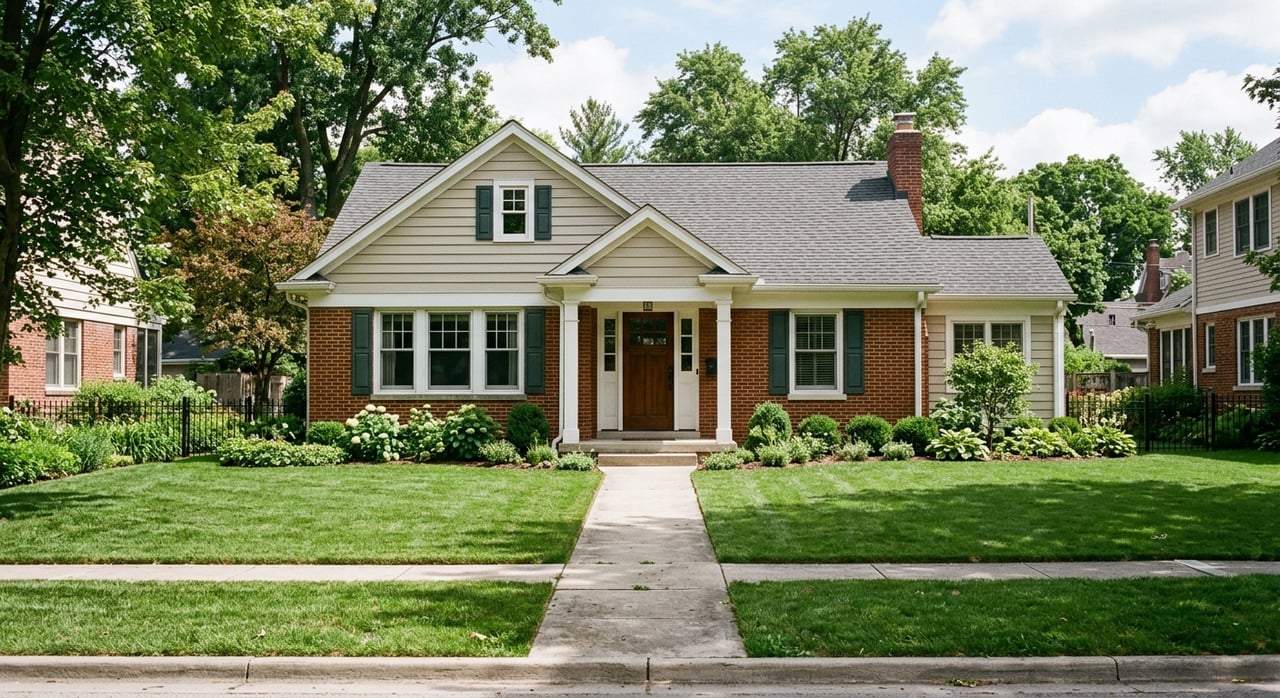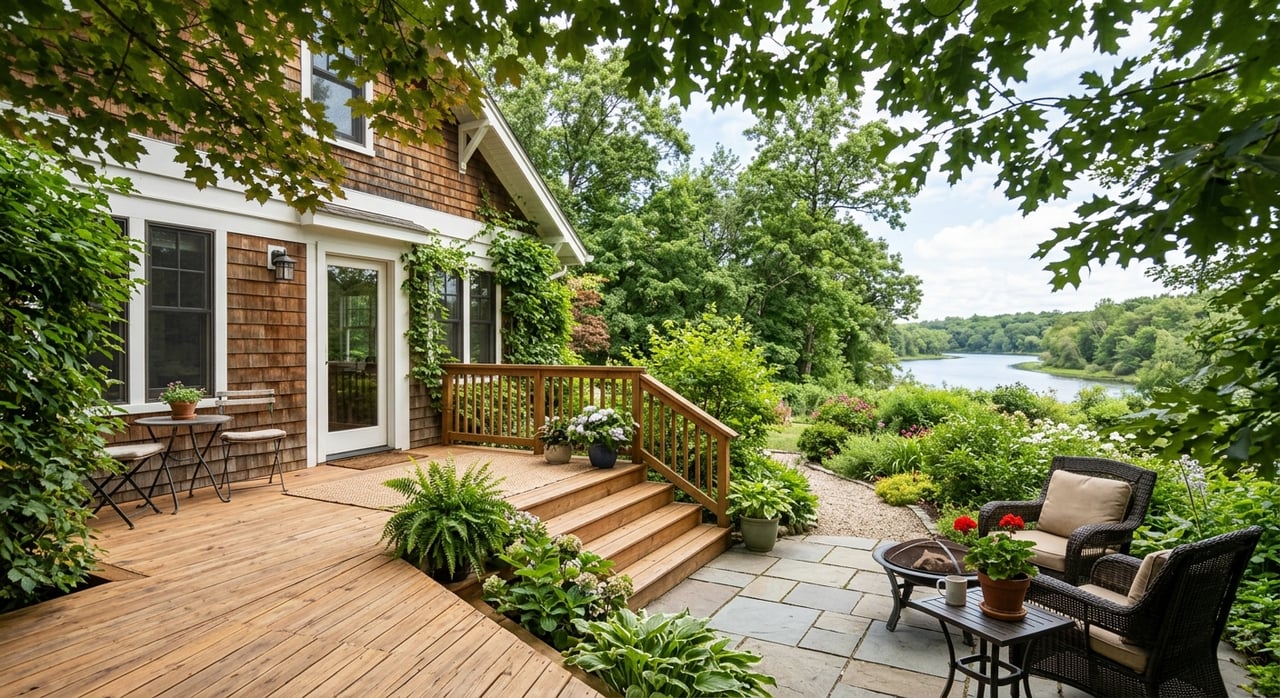
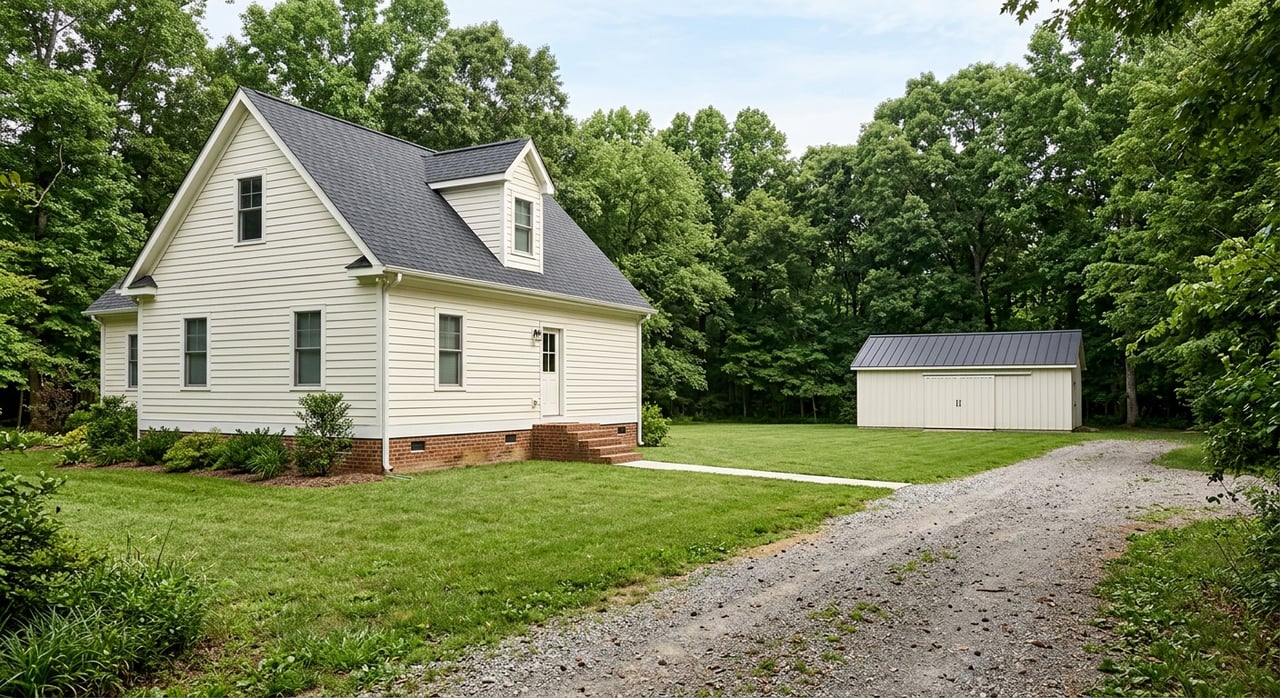
If you want elbow room, privacy, or land for projects and recreation, Nashport can be a smart place to look. This small Muskingum County community offers a more spread-out setting than a typical subdivision, but buying a home with land comes with questions you do not want to answer too late. From acreage types to septic, water, access, and tax details, here is how to shop more confidently in Nashport. Let’s dive in.
Why Nashport appeals to acreage buyers
Nashport is a small census-designated place with 449 residents, 184 housing units, and about 2.49 square miles of land based on 2020 Census TIGER data. In practical terms, that points to a semi-rural setting where buyers may find more breathing room than they would in a denser neighborhood.
That matters if you are searching for space without moving too far from the Muskingum County area. For many buyers, Nashport offers a middle ground: room to spread out, plus access to the local communities and services they already know.
What “homes with land” means in Nashport
In Nashport, acreage searches can include both move-in-ready homes and raw land parcels. At the time of research, public listing portals showed examples ranging from a 3-plus-acre stone farmhouse and a 6.6-acre single-family home to 20.04-acre, 108-acre, and 137.48-acre tracts.
That mix is important because it changes how you search. You may be choosing between a house with usable outdoor space, a property with a blend of woods and cleared land, or a larger tract that requires more planning before you build or improve it.
Look beyond the acre count
Acreage is only the starting point. The real question is how the land can be used and what condition it is in today.
Listing descriptions often include words like wooded, cleared, tillable, pond, wetlands, field access, hunting, or 4-H animals. Those terms tell you more than the number of acres alone because they hint at how much of the property may be open, buildable, maintained, or limited by natural features.
For example, one Nashport-area tract was described as having row crop, pond and wetlands, woods, and sanctuary areas. Another 6.6-acre home was described as roughly half woods and half cleared area. Two properties with the same acreage can feel very different once you walk them.
Verify the parcel before you fall in love
Before you assume a listing says everything you need to know, confirm the parcel details through Muskingum County records. The county property search allows you to review information by name, address, or parcel number, including tax card land use and class.
That step can help you confirm whether the parcel is classified as residential/agricultural, commercial, or something else. It is a simple way to avoid surprises and get a clearer picture of what you are actually buying.
Check whether acreage is surveyed
Not every acreage figure is equally precise. Some listings reflect surveyed land, while others may use estimated acreage.
If the exact size matters to your plans, ask whether the parcel has been surveyed and compare the listing details with the county property search and tax card information. This is especially important if the lot is part of a larger tract or has a metes-and-bounds description.
Road access and frontage matter more than you think
A beautiful property can be less practical if access is limited or unclear. In rural and semi-rural areas, frontage, drive access, and right-of-way details can affect both daily use and future plans.
Muskingum County’s survey routing form specifically asks for parcel acreage, road name, right-of-way width, frontage, road access type, driveway type, floodplain status, and whether the lot has buildings or septic. That tells you these details are not minor. They are part of how the property is evaluated.
When you tour a home with land in Nashport, walk the lot and pay close attention to how you actually get in and out. Confirm road frontage, inspect the driveway condition, and ask questions if access runs across another parcel or appears informal.
Septic can shape what is possible
If a property is not connected to public sewer, septic feasibility is a major issue. This is one of the most important checks for homes with land and for vacant parcels that may become future building sites.
Muskingum County’s health department says sewage evaluation cannot occur without a site and soil evaluation by a soil scientist. It also warns that not all lots have enough usable space for sewage disposal.
That is why notes in listings like “soil test completed” can be meaningful. For an existing home, ask for septic records, site-and-soil evaluation documents, and any available pumping or inspection history. For a parcel you hope to build on, do not assume septic will work just because the lot looks large.
The county health department also requires a site and soil evaluation, system design, and permit application review before sewage treatment system installation. After installation, the completed system must be inspected, and a sanitarian will inspect it again no later than 12 months later.
Know the water source before you buy
Homes with land often rely on private water systems instead of a standard public connection. In Muskingum County, private water systems can include wells, cisterns, ponds, springs, and hauled-water tanks used for drinking water.
The county health department says a permit is required before installing or altering a private water system, and new systems are inspected and tested for safe drinking water. It also notes that FHA and VA loans often require water samples and system certification.
When you tour a property, ask whether the water source is public water, a well, a cistern, a spring, or hauled water. If available, ask about recent testing and any maintenance history so you have a better sense of ongoing responsibilities.
Floodplain questions should come early
Land can be usable in one season and challenging in another. Before you plan additions, grading, clearing, or a future outbuilding, check whether any portion of the parcel falls within a floodplain.
This is especially important in Muskingum County because the county building department notes that floodplain development in FEMA special flood hazard areas requires permits. Its floodplain guidance lists activities such as driveways, land clearing, landscaping, new homes, and accessory buildings as permit-relevant in flood zones.
Even if a home already exists on the property, that does not mean every part of the land is equally flexible for future use. A floodplain check can help you avoid expensive surprises.
Do not assume zoning rules are the same everywhere
Many buyers assume every parcel follows the same zoning setup. In Muskingum County, that is not the case.
The county zoning page lists only certain townships and municipalities as zoned jurisdictions: Falls Township, Perry Township, Wayne Township, Frazeysburg, New Concord, South Zanesville, and Zanesville City. For Nashport-area buyers, that means parcel-specific zoning or subdivision rules should be verified rather than assumed.
That is one reason local guidance matters with acreage properties. The same search area can include parcels with very different rules, records, and development limitations.
Larger tracts may come with tax considerations
If you are comparing larger acreage options, look beyond the purchase price. Some properties may qualify for county programs that can affect carrying costs.
Muskingum County says CAUV generally applies to land devoted exclusively to commercial agricultural use for the previous three years, with a 10-acre threshold in most cases. Under that program, taxes are based on soil rates instead of market value.
The county also notes that Agricultural District status can protect against nuisance suits and defer certain tax assessments related to water and sewer lines. If you are looking at agricultural-looking land, this is worth discussing early so you understand the property’s current status and what may be required to maintain it.
For wooded land, the Ohio Forest Tax Law may also matter. Muskingum County says qualifying forest acreage can receive a 50 percent property-tax reduction, typically for parcels with at least 10 acres, an approved forest management plan, and maintained boundary lines.
A smart touring checklist for Nashport land buyers
When you walk a home with land, it helps to tour with a clear plan. A quick checklist can keep you focused on the details that affect day-to-day use and future costs.
- Verify the exact acreage and ask whether it is surveyed or estimated.
- Compare the listing information with Muskingum County property records and tax card details.
- Walk the full lot, not just the area around the house.
- Confirm road frontage, access type, and driveway condition.
- Ask for septic records, site-and-soil evaluations, and any available inspection or pumping history.
- Confirm the water source and ask about recent testing.
- Check whether any part of the parcel is in a floodplain.
- If the parcel is part of a larger tract, confirm County Engineer approval before transfer.
Why local guidance matters with acreage homes
Buying a home with land is often less about finding the biggest lot and more about finding the right fit for how you want to live. A property can look perfect online but raise questions once you verify access, utility setup, floodplain status, or tax classification.
That is where local market knowledge makes a difference. In a place like Nashport, where listings can range from house-plus-acreage properties to large undeveloped tracts, you want someone who can help you compare options clearly and ask the right questions before you commit.
If you are looking for space in Nashport, working with a local team can help you sort through the details and move forward with confidence. Reach out to Jessy Moore for practical, local guidance on homes with land in Muskingum County.
FAQs
What types of homes with land can you find in Nashport?
- Buyers may find both homes on acreage and stand-alone land parcels in Nashport, with examples during research ranging from a few acres to well over 100 acres.
What should you verify before buying a Nashport property with acreage?
- You should verify acreage, parcel classification, road access, driveway condition, water source, septic information, floodplain status, and whether the land is surveyed.
Why does septic matter when buying land in Nashport?
- Muskingum County requires a site and soil evaluation for sewage treatment systems, and the health department notes that not all lots have enough usable space for sewage disposal.
What water systems are common for homes with land in Muskingum County?
- Private water systems in the county can include wells, cisterns, ponds, springs, and hauled-water tanks used for drinking water.
Can larger Nashport-area parcels have tax advantages?
- Some larger parcels may qualify for programs like CAUV or the Ohio Forest Tax Law, which can affect carrying costs if the property meets county requirements.